
3D
3D
3D file. There are three different types of digital files, broadly speaking, ones for printing, ones for modeling and ones for 2D drawings. In order to produce a physical part, a printer requires a specific file type. Known as a ‘mesh model’, the most common file type for printing is called STereoLithography or STL.
As one of the first companies to build commerce software, we’ve seen it all. We draw on our years of experience to explain 3D file formats and commerce basics with tangible examples and clear explanations.
3D Files for Printing
.STL: STL (STereoLithography) is a file format native to the stereolithography CAD software created by 3D Systems. STL is also known as Standard Tessellation Language. This file format is supported by many other software packages. it is widely used for rapid prototyping and computer-aided manufacturing. STL files describe only the surface geometry of a three-dimensional object without any representation of color, texture or other common CAD model attributes. An STL file describes a raw unstructured triangulated surface by geometries located within a standard Cartesian coordinate system. STL coordinates must be positive numbers, there is no scale information, and the units are arbitrary. All of these facets enable slicing software to interpret the models and produce .gcode files for 3D printer host software.

Exporting an STL file for printing is one of the first steps in producing a model on a Printer. Many programs capable of designing models are also capable of exporting or saving those models as .stl files, although occasionally it is necessary to import the models into a more robust software that offers .stl as a final export option.
3ds, cad, blend, max, maya, 4cd and more than this, are 3d format files.
نمایش همه 7 نتیجه
-
تخفیف!
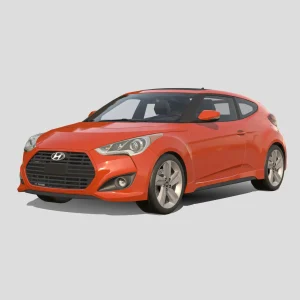
2013 Hyundai Veloster Turbo
قیمت اصلی 1.000.000 ﷼ بود.500.000 ﷼قیمت فعلی 500.000 ﷼ است. افزودن به سبد خرید -
تخفیف!
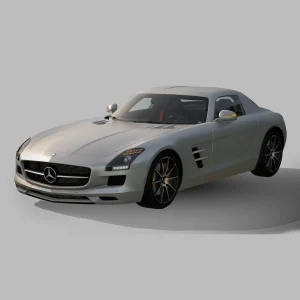
2013 Mercedes-Benz SLS AMG GT
قیمت اصلی 1.000.000 ﷼ بود.500.000 ﷼قیمت فعلی 500.000 ﷼ است. افزودن به سبد خرید -
تخفیف!
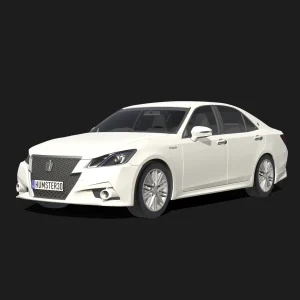
2013 Toyota Crown Athlete S Hybrid
قیمت اصلی 1.000.000 ﷼ بود.500.000 ﷼قیمت فعلی 500.000 ﷼ است. افزودن به سبد خرید -
تخفیف!
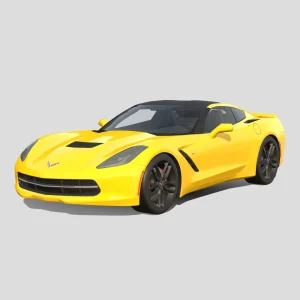
2014 Chevrolet Corvette C7 Z51
قیمت اصلی 1.000.000 ﷼ بود.500.000 ﷼قیمت فعلی 500.000 ﷼ است. افزودن به سبد خرید -
تخفیف!
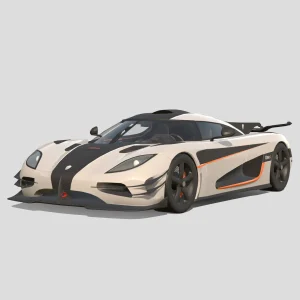
2014 Koenigsegg One1
قیمت اصلی 1.000.000 ﷼ بود.500.000 ﷼قیمت فعلی 500.000 ﷼ است. افزودن به سبد خرید -
تخفیف!
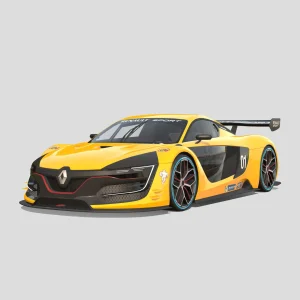
2014 Renault Sport R.S
قیمت اصلی 1.000.000 ﷼ بود.500.000 ﷼قیمت فعلی 500.000 ﷼ است. افزودن به سبد خرید -
تخفیف!
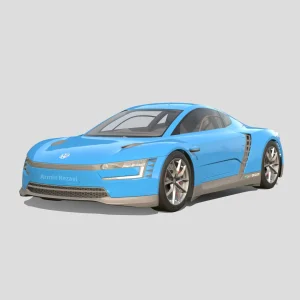
2014 Volkswagen XL Sport
قیمت اصلی 1.000.000 ﷼ بود.500.000 ﷼قیمت فعلی 500.000 ﷼ است. افزودن به سبد خرید